


What is appropriate to wear to court? A guide to dressing with respect and professionalism
Guidelines for appropriate courtroom attire that shows respect for the legal process and maintains professionalism, including common mistakes to avoid. Whether you're a defendant, plaintiff, witness, or observer, understanding what to wear to court is essential for making a positive impression and showing respect for the legal system.
General Principles of Courtroom Attire
Courtrooms are formal settings where traditional and conservative dress codes are expected. Your clothing should reflect a high level of decorum and avoid any elements that could be seen as distracting, disrespectful, or overly casual. The goal is to blend in with the serious atmosphere of the court rather than stand out in an inappropriate way.
No matter what you choose to wear, it must be clean, well-pressed, and free of stains, wrinkles, or tears. A well-groomed appearance shows that you take the proceedings seriously and have respect for the court. Make sure your shoes are polished and in good condition as well.
Attire for Men
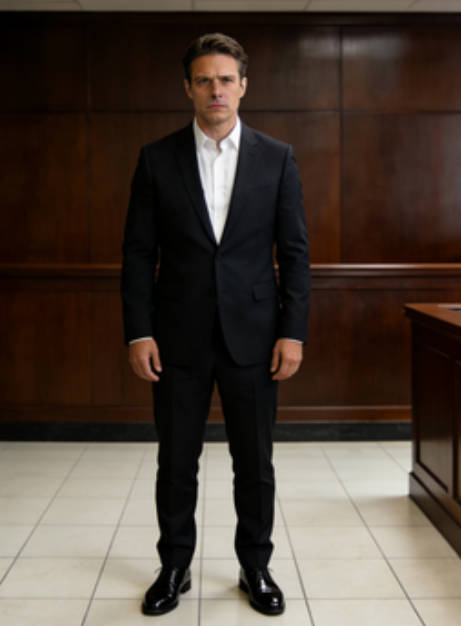
A well-tailored suit is the gold standard for men's courtroom attire. Opt for a solid, dark-colored suit such as navy blue, charcoal gray, or black. These colors convey professionalism and seriousness. Pair your suit with a crisp, long-sleeved dress shirt and a conservative tie. Wear closed-toe, polished leather dress shoes and keep accessories to a minimum.
Attire for Women
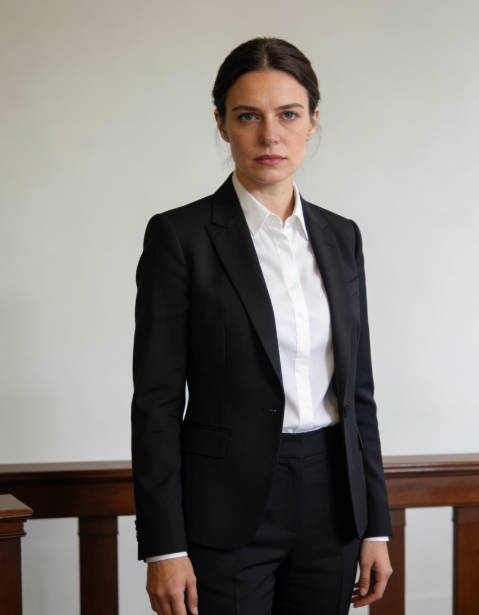
Women can also opt for a well-tailored suit in a dark, solid color. A pantsuit or a skirt suit is appropriate, with the skirt falling just above or below the knee. Alternatively, a conservative knee-length or midi-length dress in a solid, dark color works well when paired with a tailored blazer. Choose closed-toe pumps or flats in a neutral color and keep jewelry simple and understated.
Common Mistakes to Avoid
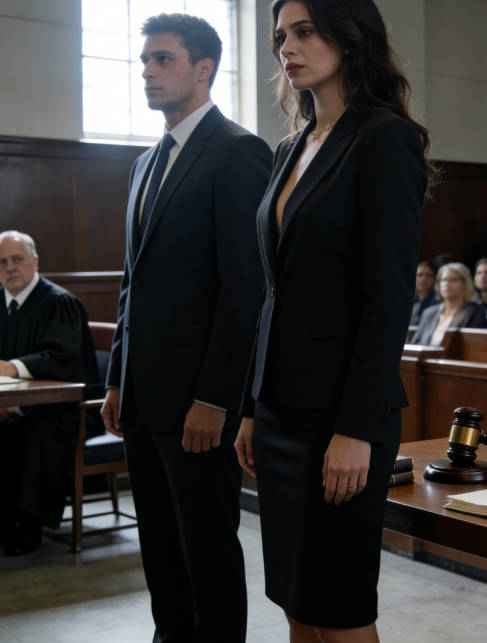
Some common mistakes to avoid when dressing for court include wearing revealing or tight-fitting clothing, overly casual items like jeans or t-shirts, flashy accessories, and overly bright or patterned clothing. Remember that the focus should be on the legal proceedings, not your outfit.
Special Considerations
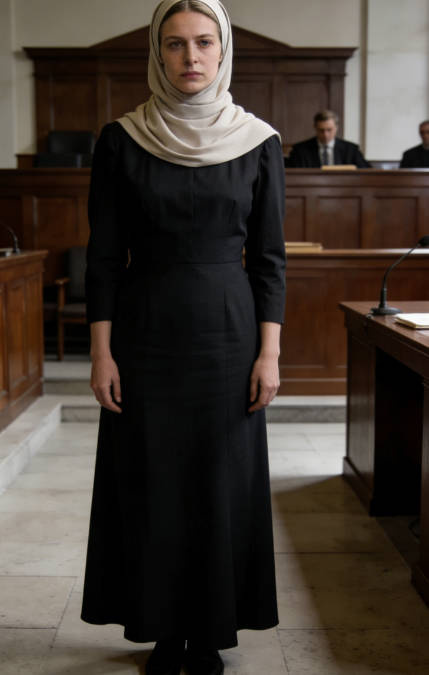
If you have cultural or religious requirements regarding your clothing, it's important to adhere to them while still maintaining a level of formality appropriate for the court. For example, if you wear a headscarf as part of your religious practice, choose a simple, solid-colored one that doesn't have excessive decorations.
Not everyone can afford a brand-new, high-end suit or dress for court. If you're on a budget, consider visiting thrift stores or consignment shops. You can often find gently used, high-quality clothing at a fraction of the original price. The most important thing is to ensure that your clothing is clean, neat, and meets the basic requirements of courtroom attire.
The best courtroom attire is one that allows you to focus on the legal proceedings without worrying about your appearance, while showing respect for the court and all participants.
Accessorizing for the Courtroom
When it comes to accessories for court, less is definitely more. Opt for simple, understated pieces that complement your outfit without drawing attention. For men, a simple wristwatch and possibly a subtle pocket square are sufficient. For women, small earrings, a delicate necklace, and a simple bracelet are appropriate choices.
Choose a structured handbag or small clutch that complements your outfit and is large enough to carry any necessary documents. Avoid anything too large or flashy that could be seen as distracting.
Seasonal Considerations
While the basic principles of courtroom attire remain consistent throughout the year, there are some seasonal considerations to keep in mind. In warmer weather, opt for lightweight, breathable fabrics like cotton or linen blends. In colder months, layer with a dark-colored coat or cardigan that complements your outfit.
Always ensure that your seasonal attire still adheres to the core principles of formality, modesty, and respect for the court.
Final Thoughts
Dressing appropriately for court is an essential part of showing respect for the legal system and all those involved in the proceedings. By following these guidelines and choosing clothing that is formal, conservative, clean, and modest, you can make a positive impression and focus on the important matters at hand.
Remember that the goal of courtroom attire is not to make a fashion statement, but to demonstrate respect for the legal process and maintain professionalism. When in doubt, err on the side of being more formal and conservative.



3 Comments
Jane Doe - January 01,
This site is extremely helpful for anyone who often feels unsure about what to wear for specific occasions. The explanations are clear, practical, and easy to follow, making it much easier to choose outfits that feel appropriate without overthinking.
Jessica Brown - January 01,
I really appreciate how the articles focus on context, comfort, and etiquette rather than just trends. The guidance feels thoughtful and realistic, which makes the advice suitable for real-life situations like interviews, formal events, and everyday commitments.
Sandra Mavic - January 01,
What sets this blog apart is its balanced approach to style. It doesn’t push extreme fashion choices but instead helps readers build confidence through simple, well-explained outfit principles. A reliable resource I would revisit whenever I need occasion-based outfit advice.