

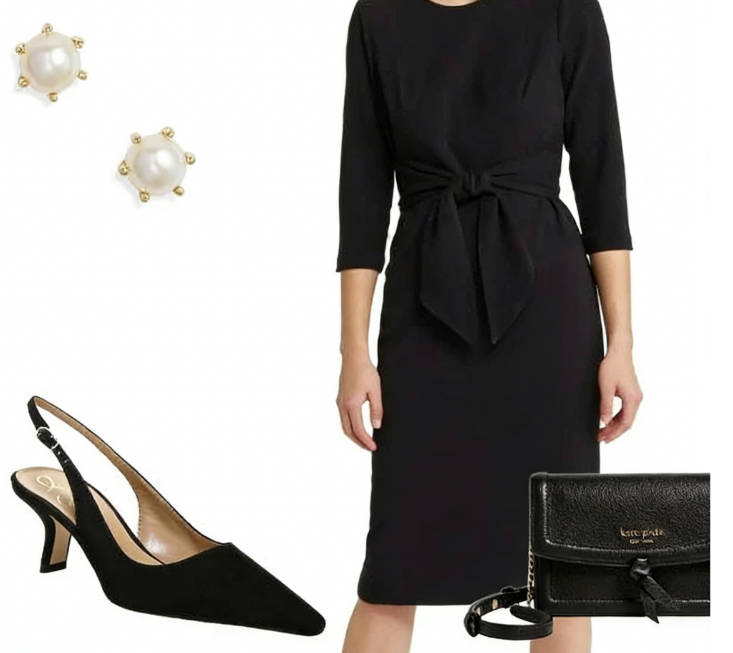
What to wear to a funeral? A respectful and foolproof guide to dressing for the occasion
The first funeral I attended as an adult caught me off guard—not emotionally, but practically. I stood in front of my closet wondering whether my clothes showed respect or distraction. That quiet uncertainty is more common than people admit. When grief is already heavy, worrying about your outfit can feel like an unnecessary burden. This guide is written from that place of understanding, to help you navigate funeral attire with confidence and care.
Understanding the Funeral Context
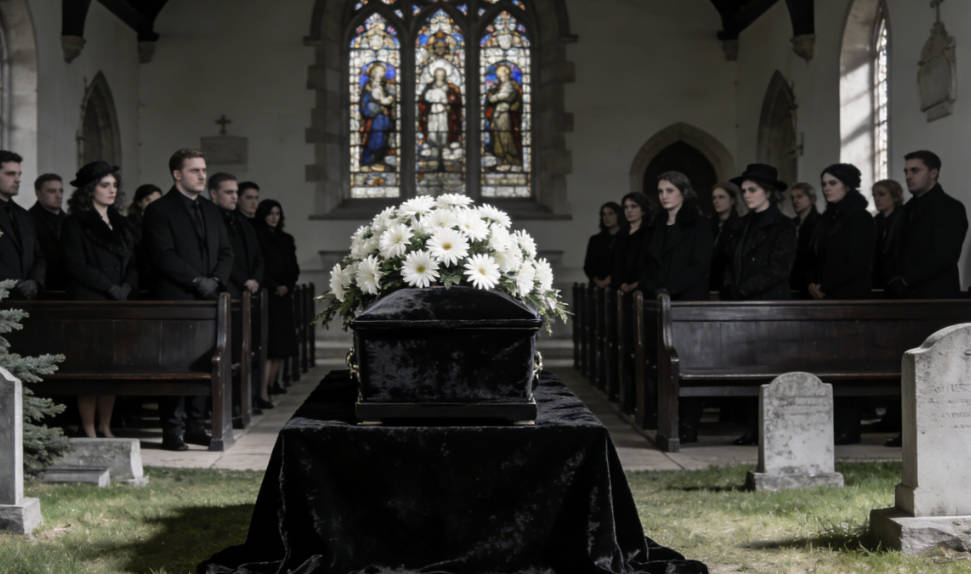
Funerals are ceremonies to honor and remember the departed, and they vary greatly across cultures and religions. Some are formal and somber, while others incorporate elements of celebration. A survey by the Funeral and Memorial Information Council shows that 78% of Americans prefer traditional funeral services, often requiring formal attire. However, with the rise of personalized funerals, dress rules have become more flexible, creating some confusion. This guide aims to offer clear, useful advice that respects both tradition and modern preferences.
Common Funeral Outfit Mistakes (and How to Avoid Them)
When it comes to funeral attire, certain choices can unintentionally convey disrespect or draw attention away from the purpose of the gathering. Here are common mistakes to avoid:
- Wearing overly casual clothing:
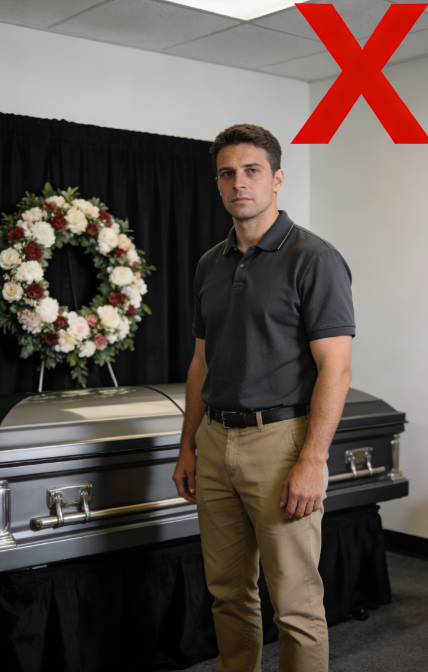
While comfort is important, business casual attire can be inappropriate for formal funerals. Save khakis and polo shirts for more casual memorial gatherings.
- Choosing jeans, even dark ones:
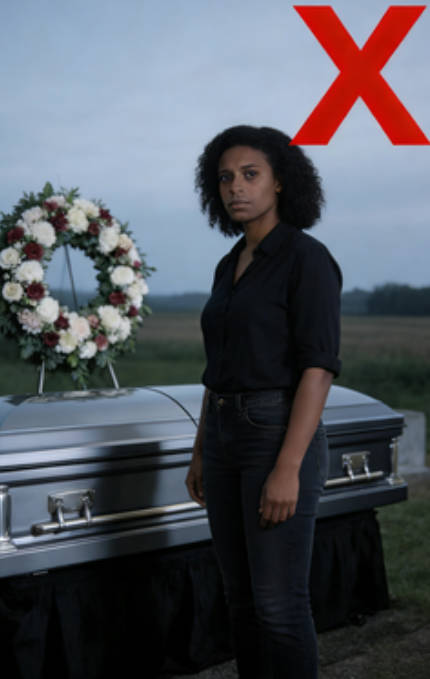
Jeans are generally not recommended for funerals, even if they're dark wash. They carry a casual connotation that may not align with the solemn nature of the event.
- Opting for bright colors or bold patterns:
Vibrant hues and loud prints can be distracting and may seem disrespectful in a somber setting.
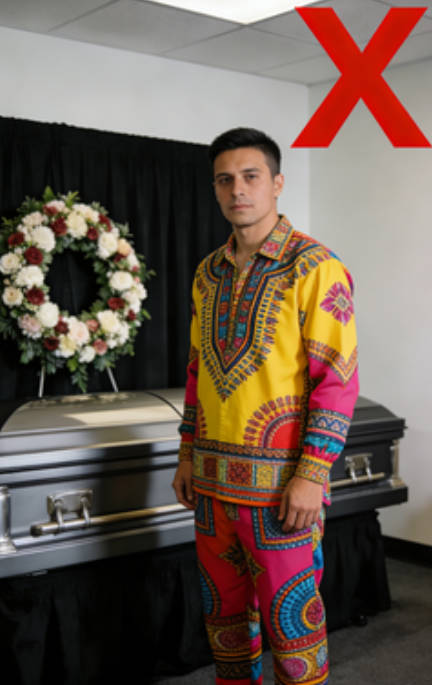
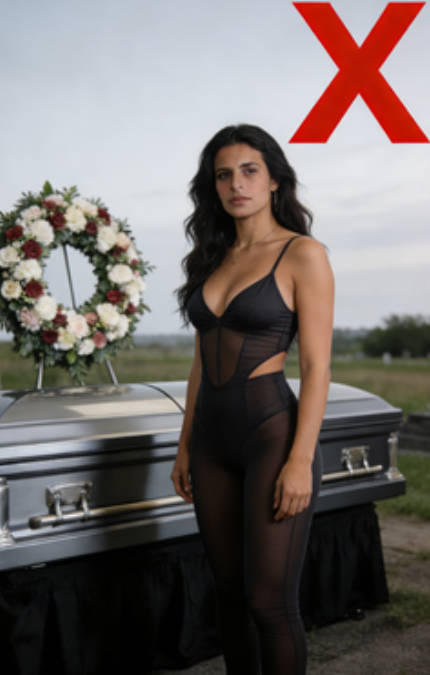
- Wearing revealing or tight-fitting clothing:
Modesty is key. Avoid low necklines, short hemlines, or form-fitting garments that draw unnecessary attention.
When black isn't necessary: While black is traditional, it's not always required. Dark shades like navy, charcoal gray, or deep burgundy are acceptable alternatives, especially in more modern or culturally diverse settings. If the family has specified a preferred color scheme (such as white for certain Eastern cultures), follow their guidance.
The right funeral attire conveys empathy, honors the deceased, and offers comfort to the grieving family.
Accessorizing with Respect
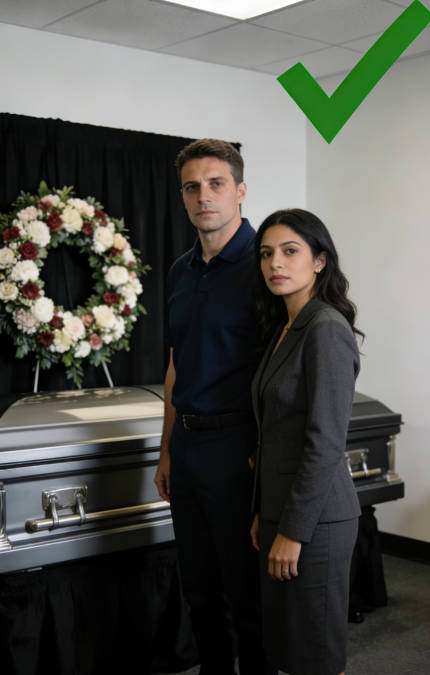
When it comes to jewelry, less is more. Choose minimal pieces with personal significance or that convey respect. Simple pearl earrings, a delicate necklace, or a watch can add elegance without being overpowering. Avoid large, flashy pieces that may distract from the solemnity. For footwear, choose comfortable shoes for long periods of standing or walking. For men, dress shoes like oxfords or loafers are classic. For women, closed-toe pumps or flats are a good choice.
Cultural and Religious Considerations
Funerals vary across cultures, and it's important to respect these differences. For example, some African cultures wear bright colors and elaborate patterns to celebrate the deceased's life, while many Western cultures prefer black or dark colors for grief. If attending a funeral from a different culture, research and understand their customs. This shows respect for the deceased and their family and helps avoid unintentional mistakes.
In the end, no one will remember what you wore—but they will remember whether you showed up with care and consideration. Your presence and empathy are far more important than your outfit. Choose clothing that allows you to focus on honoring the deceased and supporting their loved ones, rather than worrying about your appearance. When in doubt, err on the side of formality and simplicity. The goal is to blend in, not stand out, during this solemn occasion.


3 Comments
Jane Doe - January 01,
This site is extremely helpful for anyone who often feels unsure about what to wear for specific occasions. The explanations are clear, practical, and easy to follow, making it much easier to choose outfits that feel appropriate without overthinking.
Jessica Brown - January 01,
I really appreciate how the articles focus on context, comfort, and etiquette rather than just trends. The guidance feels thoughtful and realistic, which makes the advice suitable for real-life situations like interviews, formal events, and everyday commitments.
Sandra Mavic - January 01,
What sets this blog apart is its balanced approach to style. It doesn’t push extreme fashion choices but instead helps readers build confidence through simple, well-explained outfit principles. A reliable resource I would revisit whenever I need occasion-based outfit advice.