

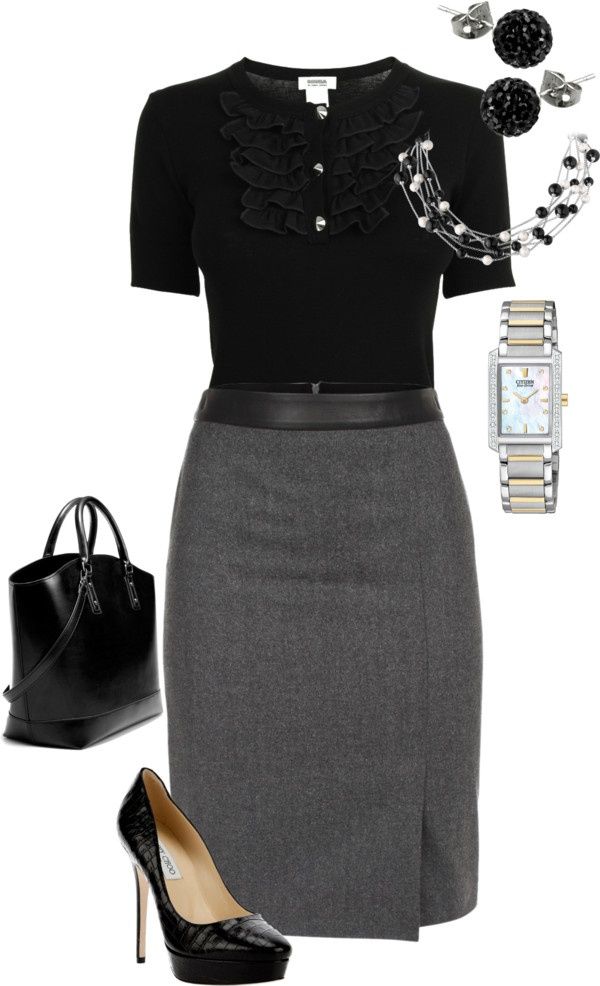
What should women wear to a funeral? A guide to appropriate and mistake-free attire
I still remember my first funeral as an adult. I stood in front of my closet for an hour, staring at my clothes, wondering if anything I owned was "appropriate enough." I worried about wearing black (was it too somber?) and then worried about not wearing black (was that disrespectful?). In the end, I settled on a dark gray dress, but I spent the entire service second-guessing myself. That's the thing about funeral attire: it's not just about following rules—it's about navigating a moment of grief with grace, without drawing attention to yourself.
If you're unsure whether to wear black, you probably should
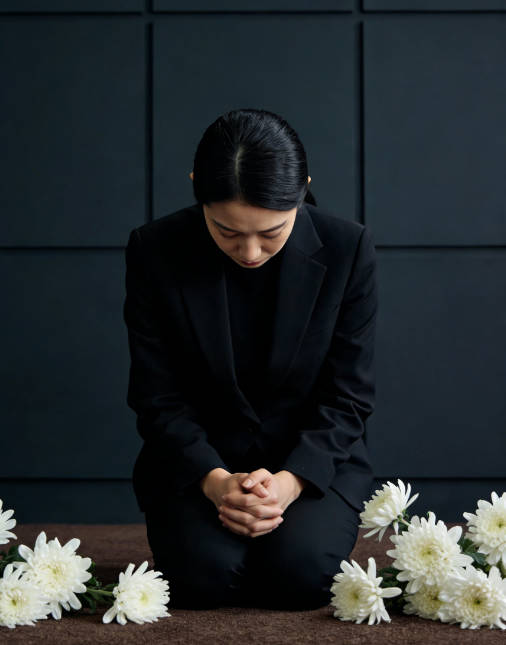
Dark colors have long been associated with mourning, and for good reason. They communicate solemnity and respect without requiring words. But here's the truth most people don't talk about: the "rule" of black isn't about strict adherence—it's about emotional clarity. When you choose a dark color, you're sending a message that this day isn't about you. It's about honoring someone who mattered.
That said, black isn't the only option. Deep navy, charcoal gray, and even dark burgundy can work, especially if black doesn't feel like "you." The key isn't the exact shade—it's the intention behind it. If you're debating between a light color and a dark one, ask yourself: does this outfit invite conversation, or does it let the moment breathe?
The best funeral attire is one that allows you to focus on honoring the deceased without worrying about what you're wearing.
Why "looking clean" matters more than "looking formal"
Many women make the mistake of overthinking formality when choosing funeral attire. They stress about whether their outfit is "nice enough" or whether they should wear something more expensive. But here's what's actually important: looking put-together, not polished to perfection.
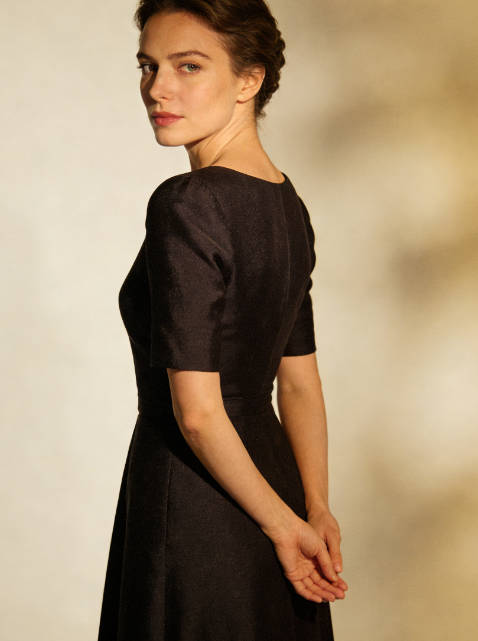
A simple, well-fitting dress or skirt suit works, but so does a pair of dark trousers with a modest blouse. The goal is to look like you cared enough to dress respectfully, not like you're attending a business meeting. Fabric choices should be subtle—think wool, crepe, or cotton—avoiding anything shiny or metallic that might draw unnecessary attention.
Accessories that honor the moment, not steal it
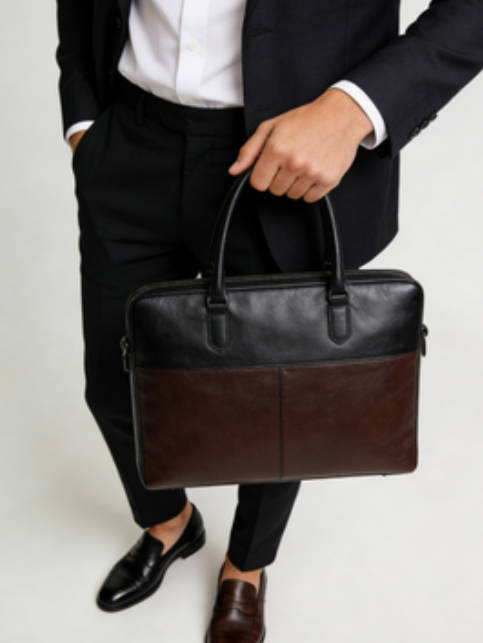
Accessories are where many women trip up. It's not that you can't wear jewelry—it's that you should choose pieces that complement, not command. Small earrings, a delicate necklace, or a simple watch are all fine. The rule of thumb: if you have to ask if it's too much, it probably is.
Shoes should be comfortable (you might be standing or walking more than you expect) and closed-toe. A modest handbag or clutch completes the look without overwhelming it. Remember: every element of your outfit should serve the same purpose: to help you be present, not noticeable.
The biggest mistake women make at funerals
By far the most common mistake I see is women trying to be "appropriately festive." They'll wear a light-colored outfit with dark accessories, or add a bright scarf "to lift the mood." But funerals aren't about lifting the mood—they're about holding space for grief.
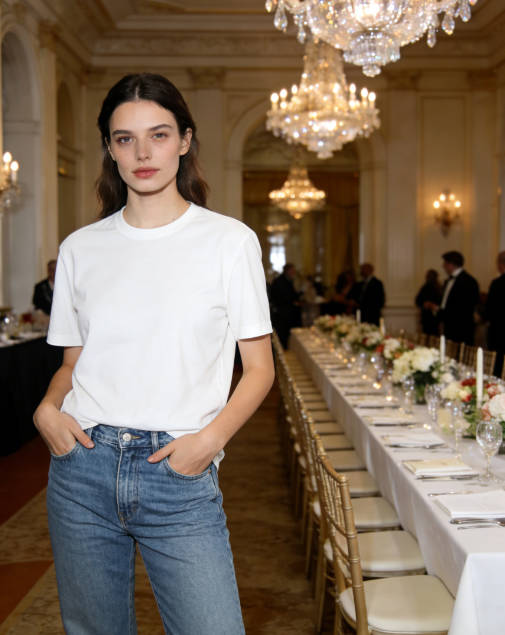
White or cream-colored clothing is generally best avoided, as it's traditionally associated with joyous occasions like weddings. Jeans, t-shirts, and athletic wear are also off-limits, as they signal a level of casualness that doesn't match the gravity of the moment.
How to adjust for seasonal weather without breaking the rules
Seasonal changes don't have to mean compromising on respect. In warmer weather, opt for lightweight, breathable fabrics like cotton or linen. In colder months, layer with a dark cardigan or coat. The key is to stay true to the spirit of the occasion, regardless of the temperature.
For example, a sleeveless dress in summer is fine, but consider adding a lightweight shawl if the service is in a air-conditioned space. In winter, a long wool coat in a dark color adds warmth without drawing attention.
If you can only remember one rule, make it this
Funeral attire isn't about perfection—it's about presence. If you're overthinking your outfit, take a step back and ask yourself: will this help me honor the person who died, or will it distract me from that? The answer will always guide you in the right direction.
At the end of the day, the most important thing you can wear to a funeral is your compassion. Clothes are just the wrapper—what matters is the care you bring to the moment. So choose something that feels respectful, wear it with grace, and let the day be about the person who mattered, not what you're wearing.


3 Comments
Jane Doe - January 01,
This site is extremely helpful for anyone who often feels unsure about what to wear for specific occasions. The explanations are clear, practical, and easy to follow, making it much easier to choose outfits that feel appropriate without overthinking.
Jessica Brown - January 01,
I really appreciate how the articles focus on context, comfort, and etiquette rather than just trends. The guidance feels thoughtful and realistic, which makes the advice suitable for real-life situations like interviews, formal events, and everyday commitments.
Sandra Mavic - January 01,
What sets this blog apart is its balanced approach to style. It doesn’t push extreme fashion choices but instead helps readers build confidence through simple, well-explained outfit principles. A reliable resource I would revisit whenever I need occasion-based outfit advice.