

How to Choose a Safety Helmet for Work? A Comprehensive Guide to Selecting Safety Helmets for Different Jobs
On many job sites, head injuries can happen in an instant—a falling tool, an unexpected side impact, or even an overlooked electrical hazard. Choosing the right safety helmet is often the first line of defense against serious injury.
After working in different industrial settings, I've noticed that many workers wear safety helmets but aren't always sure if they're truly appropriate for their specific work environment. In this comprehensive guide, I'll walk you through everything you need to know about selecting a safety helmet that meets your unique workplace needs.
Understanding Safety Helmet Classes and Types
Safety helmets are classified based on the type of impact they're designed to protect against. The most common classifications include:
• Type I Helmets: Designed to protect against impacts to the top of the head, such as falling objects.

• Type II Helmets: Provide protection against both top impacts and side impacts, offering more comprehensive coverage.

In addition to these types, safety helmets are also rated for electrical protection:
• Class E (Electrical): Tested to withstand up to 20,000 volts of electricity.
• Class G (General): Tested to withstand up to 2,200 volts of electricity.
• Class C (Conductive): Not tested for electrical protection and should not be used in electrical hazards.
Choosing the Right Safety Helmet for Your Job
Different jobs require different types of safety helmets. Here's a breakdown of what to consider for various work environments:
• Construction Sites: Type I or Type II helmets with Class E or G ratings are typically required. Look for helmets with rain gutters and reflective strips for added visibility.
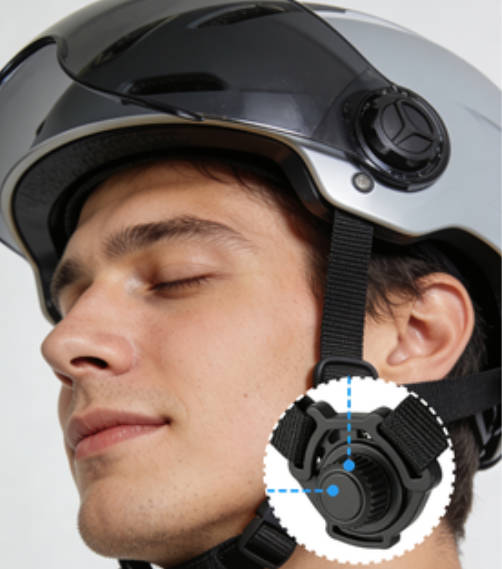
• Manufacturing Facilities: Type II helmets with appropriate electrical ratings are often recommended, especially in environments with moving machinery.
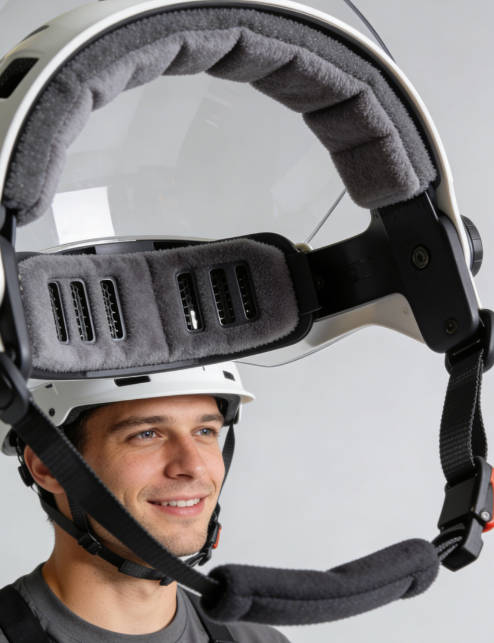
• Electrical Work: Class E helmets are essential for workers who may come into contact with high-voltage electrical equipment.

• Warehouse Operations: Type I helmets with Class G ratings are usually sufficient for general warehouse work.
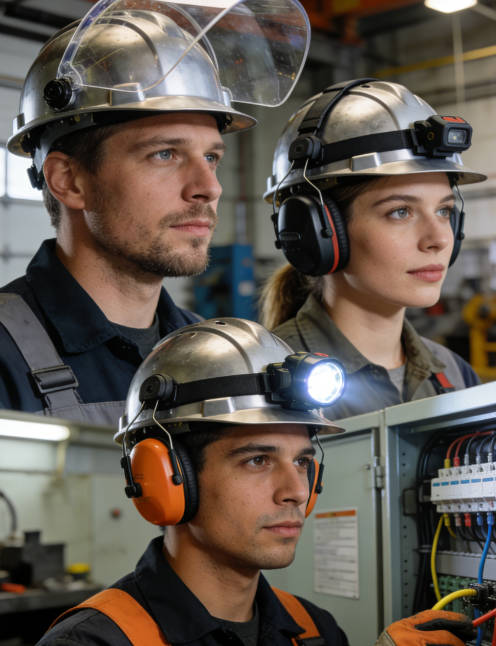
• Oil and Gas Industry: Type II helmets with Class E ratings are often required due to the combination of falling objects and electrical hazards.
The right safety helmet isn't just about compliance—it's about protecting yourself from potentially life-threatening injuries.
Factors to Consider When Selecting a Safety Helmet
When choosing a safety helmet, consider the following factors:
• Fit: The helmet should fit snugly but comfortably on your head. Most helmets come with adjustable suspension systems to ensure a proper fit.
• Comfort: Look for helmets with padded interiors and ventilation slots to keep you cool during long workdays.
• Durability: Choose helmets made from high-quality materials that can withstand the demands of your work environment.
• Accessories: Consider helmets that can accommodate accessories like face shields, earmuffs, or mounted lights if needed for your job.
• Visibility: High-visibility colors or reflective strips can increase your safety in low-light conditions.
Maintenance and Replacement
Proper maintenance is essential to ensure your safety helmet continues to provide adequate protection:
• Inspect your helmet regularly for cracks, dents, or other signs of damage.
• Replace your helmet if it has been involved in an impact, even if no damage is visible.
• Follow the manufacturer's recommendations for replacement intervals (typically every 5 years).
• Keep your helmet clean and free from chemicals or other substances that could degrade the material.
Important Safety Note
This article provides general workplace safety information and is not a substitute for specific industry or company safety guidelines. Always follow local laws and regulations, as well as your employer's safety requirements, when selecting certified protective equipment that meets recognized standards.


3 Comments
Jane Doe - January 01,
This site is extremely helpful for anyone who often feels unsure about what to wear for specific occasions. The explanations are clear, practical, and easy to follow, making it much easier to choose outfits that feel appropriate without overthinking.
Jessica Brown - January 01,
I really appreciate how the articles focus on context, comfort, and etiquette rather than just trends. The guidance feels thoughtful and realistic, which makes the advice suitable for real-life situations like interviews, formal events, and everyday commitments.
Sandra Mavic - January 01,
What sets this blog apart is its balanced approach to style. It doesn’t push extreme fashion choices but instead helps readers build confidence through simple, well-explained outfit principles. A reliable resource I would revisit whenever I need occasion-based outfit advice.